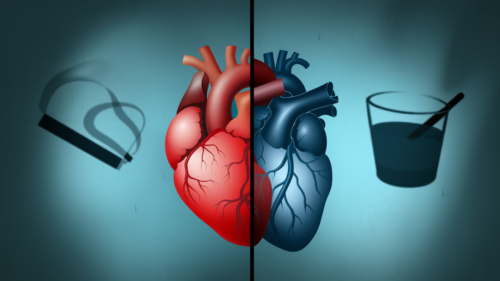
Every year, millions of lives are cut short due to heart disease – and what’s more alarming is that many of these deaths are preventable. 💔 Two of the most significant yet controllable risk factors? Smoking and alcohol consumption. While many of us understand these habits aren’t healthy, few realize just how drastically they impact our heart health, especially when combined.
Think of your heart as a high-performance engine. Now imagine pouring sugar into the gas tank (that’s smoking) while simultaneously overheating the engine (that’s excessive alcohol). The damage isn’t just additive – it’s multiplicative. Whether you’re a social smoker, a weekend drinker, or someone struggling with both habits, understanding this dangerous relationship could be the wake-up call you need.
Let’s dive into the critical relationship between smoking, alcohol, and heart disease, exploring how these habits affect your cardiovascular health, and most importantly, what you can do to protect your heart. We’ll break down the science, examine the risks, and discover practical steps toward a healthier lifestyle. 🫀+ Add Section
Understanding Heart Disease Basics
Common Types of Cardiovascular Conditions
The cardiovascular system faces several distinct challenges that can lead to life-threatening conditions:
- Coronary Artery Disease (CAD)
- Heart Failure
- Arrhythmia
- Valve Disease
- Peripheral Artery Disease (PAD)
Risk Factors and Prevention Strategies
| Risk Factor Type | Examples | Prevention Strategies |
|---|---|---|
| Modifiable | Smoking, Diet, Physical Inactivity | Lifestyle changes, Regular exercise |
| Non-modifiable | Age, Gender, Family History | Regular checkups, Early screening |
| Medical | Hypertension, Diabetes, High Cholesterol | Medication, Diet control |
Global Statistics and Mortality Rates
Heart disease remains the leading cause of death globally, with stark statistics:
- 17.9 million deaths annually worldwide
- 32% of all global deaths
- 85% of heart disease deaths are due to heart attacks and strokes
- Higher prevalence in low and middle-income countries
Understanding these fundamentals helps identify the significance of lifestyle choices in cardiovascular health. Most heart conditions develop gradually through unhealthy habits and lifestyle choices, with smoking and alcohol consumption being significant contributors. Next, we’ll examine how smoking specifically affects heart health and increases the risk of cardiovascular disease.+ Add Section
Smoking’s Effects on Heart Health
Nicotine and Blood Vessel Damage
Nicotine acts as a powerful vasoconstrictor, forcing blood vessels to narrow and making your heart work harder. This constriction:
- Increases blood pressure
- Reduces blood flow to vital organs
- Damages arterial walls
- Accelerates atherosclerosis
Carbon Monoxide Impact on Oxygen Levels
When you smoke, carbon monoxide replaces oxygen in your blood cells, creating a dangerous situation:
| Normal Blood | Smoker’s Blood |
|---|---|
| 98-100% oxygen saturation | 85-92% oxygen saturation |
| Efficient cell function | Compromised cell function |
| Normal heart workload | Increased heart strain |
Increased Blood Clot Risks
Smoking significantly elevates blood clot formation risk through:
- Increased platelet stickiness
- Higher fibrinogen levels
- Reduced natural clot-dissolving agents
- Enhanced inflammatory responses
Second-hand Smoke Dangers
Non-smokers exposed to second-hand smoke face serious cardiovascular risks:
- 25-30% increased risk of heart disease
- Immediate blood vessel dysfunction
- Elevated blood pressure within minutes
- Higher risk of stroke and heart attacks
The damage from smoking compounds over time, making blood vessels less flexible and more prone to blockages. Understanding alcohol’s impact on heart health becomes crucial, as many smokers also consume alcohol regularly, potentially multiplying their cardiovascular risks.+ Add Section
Alcohol’s Relationship with Heart Disease
Moderate vs. Excessive Consumption
Alcohol’s impact on heart health follows a J-shaped curve, where moderate consumption may offer some benefits while excessive drinking poses serious risks. Here’s how different consumption levels affect your heart:
| Consumption Level | Effects on Heart |
|---|---|
| Light to Moderate | May increase HDL cholesterol, reduce blood clotting |
| Excessive | Increases blood pressure, weakens heart muscle |
| Binge Drinking | Triggers irregular heartbeat, raises heart attack risk |
Blood Pressure Effects
Alcohol directly influences blood pressure regulation through multiple mechanisms:
- Disrupts the nervous system’s control of blood vessels
- Increases stress hormone production
- Causes blood vessel inflammation
- Leads to excess sodium retention
Impact on Cholesterol Levels
Alcohol consumption significantly affects cholesterol metabolism:
- Moderate drinking may raise beneficial HDL cholesterol
- Heavy drinking increases triglyceride levels
- Excessive alcohol interferes with the liver’s ability to remove bad cholesterol
- Can lead to fatty liver disease, further compromising heart health
Regular heavy drinking can negate any potential cardiovascular benefits and instead contribute to heart disease development. Understanding these impacts is crucial, as they directly influence your risk of developing various cardiovascular conditions. Next, we’ll examine how the combination of smoking and alcohol consumption creates an even more dangerous scenario for heart health.+ Add Section
Combined Effects of Smoking and Alcohol
Multiplied Health Risks
When smoking and alcohol consumption occur together, they create a dangerous synergy that significantly amplifies cardiovascular risks. The combination doesn’t just add risks – it multiplies them, creating a particularly hazardous scenario for heart health.
Shared Biological Mechanisms
- Oxidative Stress Increase
- Inflammation Enhancement
- Blood Pressure Elevation
- Platelet Activation
Statistical Correlations
| Behavior Pattern | Heart Disease Risk |
|---|---|
| Neither | Baseline |
| Smoking Only | 2-4x increased |
| Heavy Drinking Only | 1.5-2x increased |
| Both Combined | 5-7x increased |
Enhanced Arterial Damage
The combination of smoking and alcohol accelerates arterial damage through multiple pathways. Smoking damages the endothelial cells lining blood vessels, while alcohol amplifies this effect by increasing inflammation and oxidative stress. Together, they:
- Speed up atherosclerosis development
- Increase plaque instability
- Enhance blood clotting risk
- Reduce vessel elasticity
Research shows that individuals who both smoke and drink heavily have significantly higher rates of acute cardiovascular events compared to those with single habits. The interaction between nicotine and alcohol creates a perfect storm of cardiovascular stress, leading to accelerated disease progression.
Now, let’s explore effective strategies for breaking these harmful habits and improving heart health.+ Add Section
Breaking Harmful Habits
Effective Cessation Strategies
- Cold turkey approach – Complete cessation of both substances
- Gradual reduction method – Systematically decreasing intake
- Nicotine replacement therapy combined with alcohol moderation
- Setting specific quit dates for both substances
- Trigger identification and avoidance planning
Support Systems and Resources
| Resource Type | Benefits | Availability |
|---|---|---|
| Support Groups | Peer encouragement, shared experiences | In-person/Online |
| Counseling | Professional guidance, personalized plans | Healthcare providers |
| Helplines | 24/7 assistance, anonymous support | Phone/Chat services |
Medical Interventions Available
- Prescription medications (Varenicline, Bupropion)
- Nicotine replacement products (patches, gum, lozenges)
- Anti-craving medications for alcohol dependence
- Regular health monitoring and check-ups
Lifestyle Modifications
- Regular exercise routine (30 minutes daily)
- Stress management techniques (meditation, yoga)
- Healthy dietary changes
- New social activities without smoking/drinking
- Better sleep habits
Recovery Timeline
- Week 1-2: Physical withdrawal symptoms
- Month 1-3: Behavioral pattern changes
- Month 3-6: Habit reformation
- Month 6-12: Lifestyle stabilization
- Beyond Year 1: Long-term maintenance
When implementing these changes, remember that recovery is a personal journey. Success often comes from combining multiple approaches and maintaining consistency. With proper support and determination, breaking these harmful habits becomes achievable. Now, let’s explore how these positive changes can significantly improve your heart health and overall well-being.+ Add Section
The devastating effects of smoking and alcohol on heart health cannot be understated. While each habit individually poses significant risks – from smoking’s damage to blood vessels to alcohol’s impact on blood pressure – their combined use multiplies the dangers exponentially. Understanding these risks is crucial for protecting your cardiovascular health and overall well-being.
Taking control of your heart health starts with making informed decisions about lifestyle choices. Whether it’s seeking professional help to quit smoking, moderating alcohol consumption, or eliminating both habits entirely, every positive step counts toward reducing your risk of heart disease. Your heart works tirelessly to keep you alive – it deserves the same dedication from you in maintaining its health.