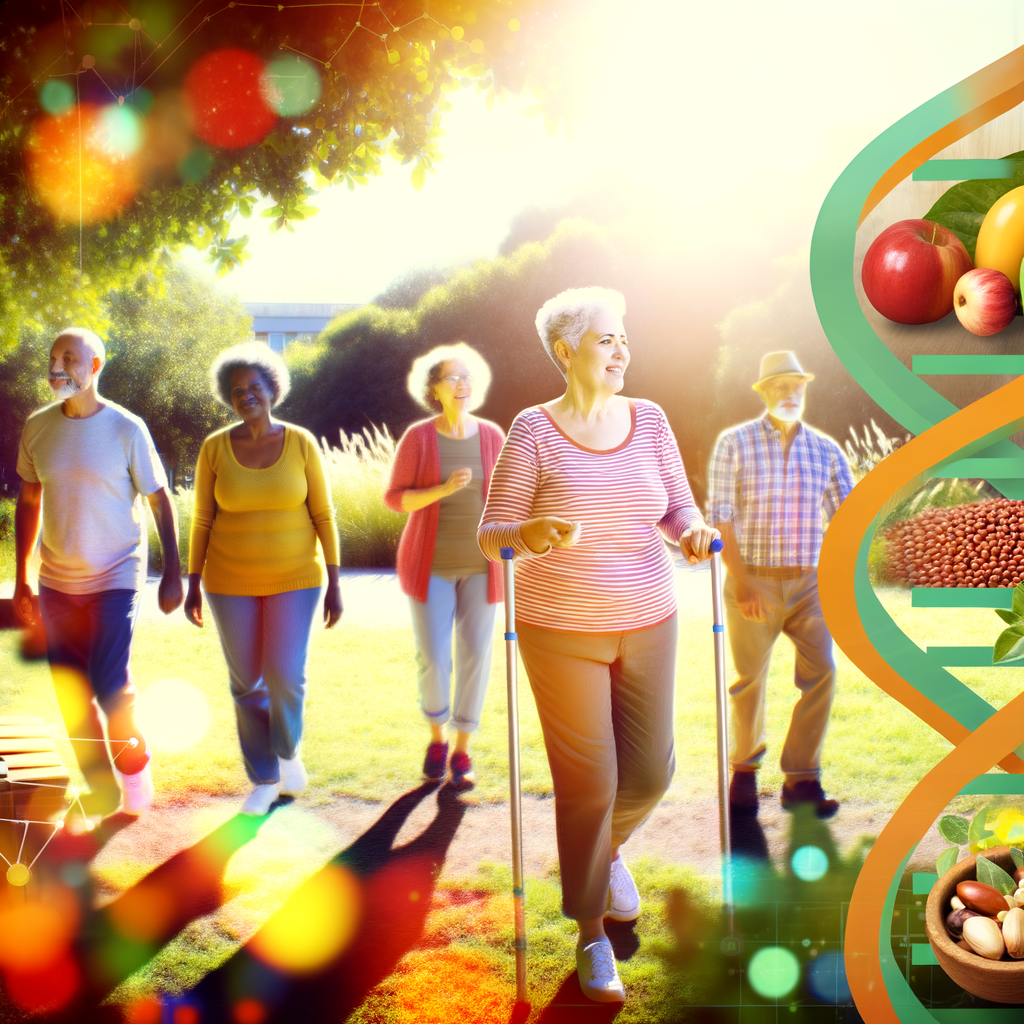
Aging is a part of life—but what if the way you eat could help you age not just longer, but better? According to recent scientific research, certain diets can actually promote healthier, more active aging. In other words, the food you choose today can shape how well you live tomorrow.
Let’s take a look at the top scientist-approved eating plans that support healthy aging and how you can start making smarter food choices today.
Why Diet Matters More Than You Think
It’s easy to think of diet as something that just helps you manage weight. But it goes far deeper than that—your diet plays a huge role in inflammation, heart function, brain health, and even your energy levels. As we get older, these areas become especially important.
Researchers recently reviewed dozens of studies focused on older populations and how different diets impacted their long-term health. Their findings point to a few standout eating patterns that can help slow down age-related decline and improve quality of life.
The Best Diets for Healthy Aging
The Mediterranean Diet
You’ve probably heard about the Mediterranean diet—and for good reason. This way of eating is inspired by the traditional cuisines of countries like Greece, Italy, and Spain. It focuses on fresh, whole foods and limits processed items.
Here’s what you’ll find on the average Mediterranean plate:
- Fruits and vegetables in every meal
- Olive oil as the main fat source
- Whole grains like farro, brown rice, and barley
- Fish, legumes, and nuts for protein
- Moderate wine intake (optional and in small doses)
This diet is praised for reducing the risk of heart disease, cognitive decline, and even depression. Many people also find it easy to stick with because it’s delicious and not overly restrictive.
The DASH Diet
Originally developed to combat high blood pressure, the DASH (Dietary Approaches to Stop Hypertension) diet is also a front-runner when it comes to aging well.
It’s similar to the Mediterranean diet but puts a special focus on reducing sodium and boosting potassium, magnesium, and calcium—all nutrients important for heart and bone health.
You’ll eat more of:
- Fresh vegetables and fruits
- Low-fat dairy products
- Lean meats like chicken and turkey
- Whole grains
- Beans and legumes
Plus, you’ll cut back on:
- Salt
- Sugar
- Red meat and processed foods
What Makes These Diets So Effective?
Think of your body like a car. The older it gets, the more care and maintenance it needs—and the better the fuel, the better it runs. These diets are filled with antioxidants, fiber, healthy fats, and plant-based nutrients, which help your body fight aging from the inside out.
The secret to their success lies in their simplicity. They’re not about eliminating entire food groups or following complicated rules. Instead, they emphasise balance, variety, and whole foods.
And it’s not just about living longer—it’s about living better. People on these diets often report feeling more energetic, sharper mentally, and even happier. Isn’t that what aging should be about?
Tips for Getting Started
Ready to turn back the clock on aging with what’s on your plate? Here are a few easy tips to help you ease into a healthier way of eating:
- Start small: Add one extra veggie to your dinner plate tonight.
- Swap refined grains for whole grains: Choose brown rice, oats, or quinoa over white rice or bread.
- Use olive oil instead of butter.
- Snack smart: Keep nuts, Greek yogurt, or fruit handy.
- Plan your meals for the week ahead—it reduces stress and helps you stick to healthy choices.
Real-Life Example
Take my neighbour, Joan. At 68, she suffered from high blood pressure and felt constantly tired. After switching to a Mediterranean-style diet, she not only lowered her blood pressure but also reported having more energy than she had in years. Her trick? Meal prepping simple salads and grilled fish for weekdays and treating herself to the occasional glass of wine on weekends. No crazy cleanses—just smart, small changes.
TRY this…Delicious Diet Recipes
The Bottom Line
Aging doesn’t have to mean slowing down or feeling worse. In fact, with the right diet, your later years can be some of your best. Whether you lean toward the Mediterranean or DASH plan, the key is embracing whole, nutrient-rich foods and building habits that are sustainable over time.
Your health is a long-term investment—and every bite counts. So, next time you’re deciding what to eat, ask yourself: Is this food going to help me live better tomorrow?
Start today, and give your future self a reason to thank you.