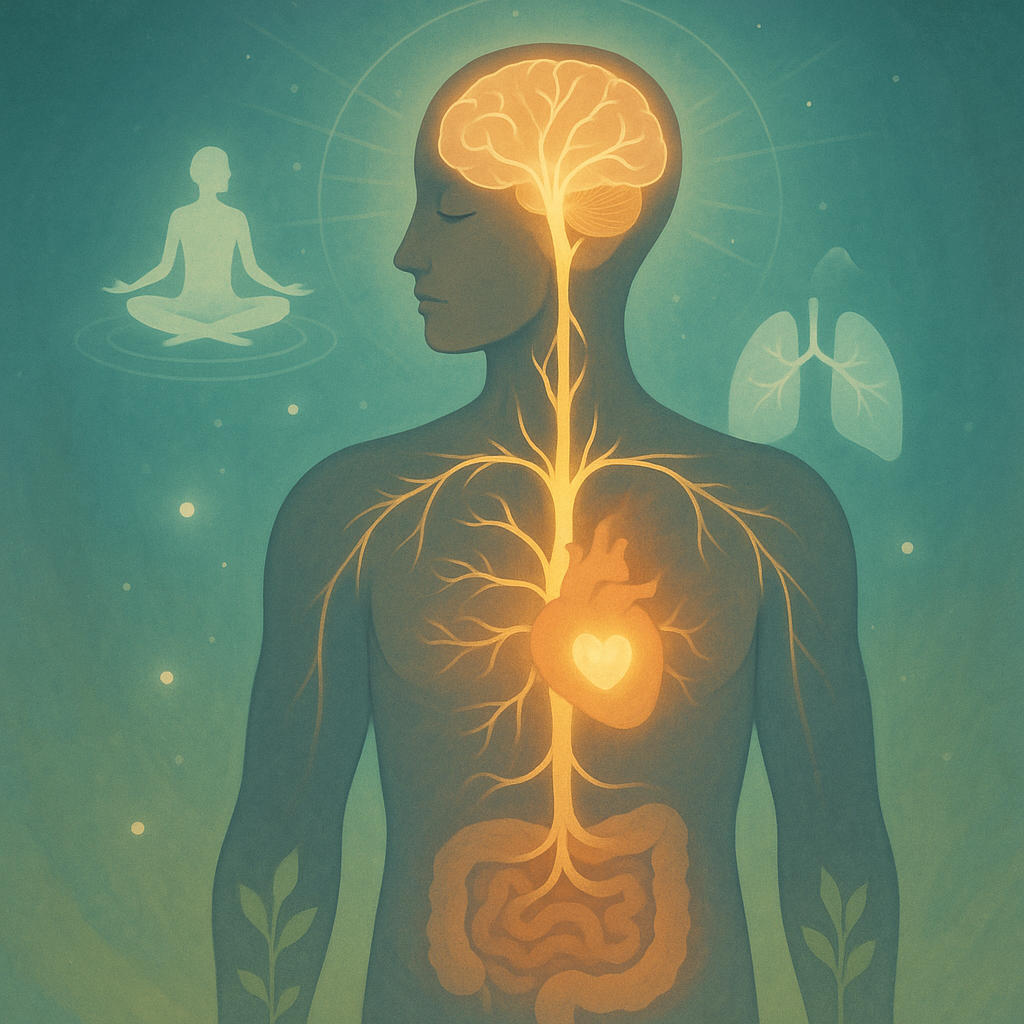
The vagus nerve is like your body’s internal communication highway. It connects your brain to many important organs, including your heart, lungs and gut. When it’s working well, you feel calmer, healthier and more balanced. But when it’s not, things like stress, digestion and sleep can take a hit.
So, what makes the vagus nerve so important? And how can you keep it healthy without needing medical treatments? Let’s explore 15 powerful benefits of a healthy vagus nerve and simple ways to support it every day.
What Is the Vagus Nerve?
The vagus nerve is the longest cranial nerve in your body. It starts in your brainstem and travels all the way down to your abdomen. Along the way, it connects to your heart, lungs, stomach and other organs.
What does the vagus nerve do? It helps control your body’s automatic functions, like your heartbeat, digestion and breathing. It’s a big part of your parasympathetic nervous system, which helps your body rest, digest and recover from stress.
15 Health Benefits of a Healthy Vagus Nerve
1. Steady Heart Rate
The vagus nerve helps your heart beat at a calm and even pace. A stronger vagus response (called vagal tone) is linked to better heart health and fewer irregular heart rhythms.
2. Better Digestion
This nerve helps your gut do its job. It tells your stomach to release digestive juices and keeps things moving, which helps with bloating, gas and nutrient absorption.
3. Lowers Inflammation
What happens when your body is inflamed? Chronic inflammation can lead to conditions like arthritis or diabetes. A healthy vagus nerve can turn off these harmful responses, helping your body stay in balance.
4. Boosts Mood
The vagus nerve sends signals that help calm the brain. That’s why it’s linked to lower levels of anxiety and depression. It also supports the release of feel-good brain chemicals like serotonin.
5. Eases Stress
When activated, the vagus nerve helps lower stress hormones like cortisol. That means faster recovery after a tough day or an emotional moment.
6. Strengthens the Immune System
By keeping inflammation in check, the vagus nerve also helps your immune system work better. It keeps your body from overreacting to minor threats.
7. Improves Sleep
Good vagus nerve function helps you fall asleep faster and stay asleep longer. It promotes deeper, more restful sleep by calming the nervous system.
8. Helps with Epilepsy
Who can benefit from vagus nerve stimulation? People with epilepsy sometimes use medical devices to stimulate the vagus nerve. This has been shown to help reduce seizures in some cases.
9. Balances Blood Sugar
The vagus nerve helps manage blood sugar levels by influencing insulin production. This can reduce the risk of developing type 2 diabetes.
10. Soothes Gut Issues
Conditions like IBS and acid reflux can improve when vagus nerve activity increases. It helps food move smoothly and prevents gut discomfort.
11. Builds Social Connection
Why do we feel calmer around people we trust? The vagus nerve helps you feel safe and connected. It plays a role in facial expressions, vocal tone and empathy, that’s why it’s called the “compassion nerve.”
12. Reduces Chronic Pain
Some studies show that stimulating the vagus nerve can help reduce pain, especially in people with long-term pain conditions like fibromyalgia.
13. Supports Breathing
The vagus nerve helps control breathing patterns. Strong vagal tone improves breathing, which can help with asthma or sleep apnea.
14. Protects Brain Health
By reducing stress and inflammation, the vagus nerve may help protect the brain from memory loss and mental decline over time.
15. Improves Sexual and Reproductive Health
The vagus nerve plays a quiet but important role in sexual arousal and hormone function. Healthy vagal tone can support fertility and intimacy.
How to Naturally Activate Your Vagus Nerve
Good news, you can support your vagus nerve without any fancy tools. Here are everyday habits that help keep it strong:
- Deep, slow breathing: Try breathing in for 4 seconds and out for 6. This calms your body and activates your vagus nerve.
- Meditation or prayer: Quiet practices like meditation help tell your body it’s safe, encouraging relaxation.
- Cold exposure: Splash your face with cold water or take a short cold shower. It can wake up your vagus nerve.
- Singing or humming: These actions vibrate the back of your throat, where the vagus nerve is located.
- Regular exercise: Walking, swimming or biking improves your vagal tone over time.
- Laugh and connect: Positive social time and laughter are strong vagus nerve boosters.
- Eat probiotic-rich foods: A healthy gut supports the gut-brain-vagus connection. Yogurt, kefir and fermented foods can make a big difference.
What are researchers saying? New studies are testing non-invasive vagus nerve devices to help with depression, migraines and inflammation. Results look hopeful, but always talk to your doctor first if you’re considering any new treatments.
Final Thoughts
The vagus nerve is one of your body’s quiet protectors. It helps your heart, brain, gut and immune system work better, often without you even knowing it. When you support it with simple habits like slow breathing, staying connected and moving regularly, you’re giving your body and mind a real boost.
Why not try adding just one of these vagus-friendly habits this week? A small change can lead to big benefits over time.
Always check with your healthcare provider before starting new health routines, especially if you have any medical conditions.