
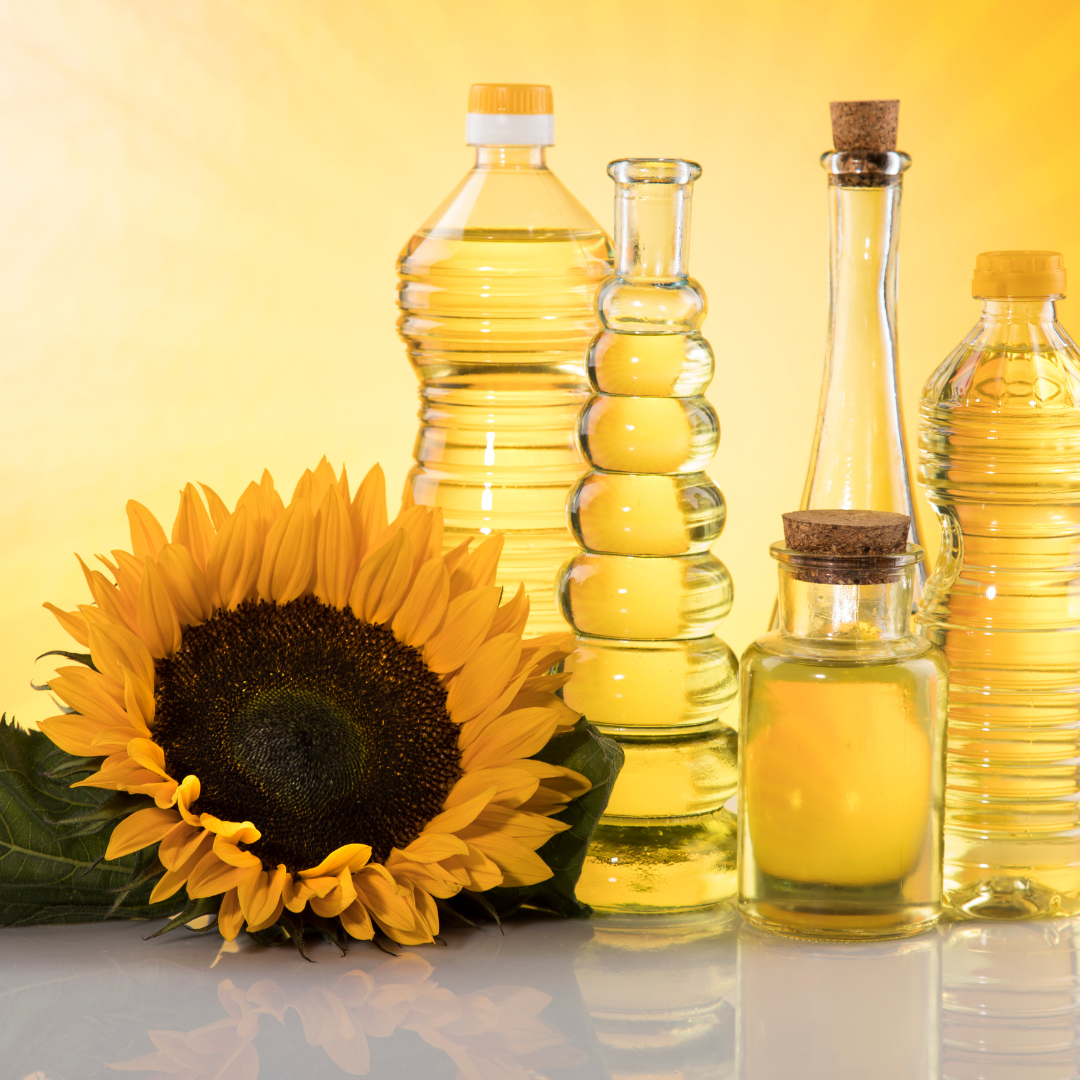
Sunflower oil is everywhere. From our salad dressings to our frying pans, it’s a kitchen staple for many. But lately, you might have heard some chatter about whether sunflower oil is actually good for you. So, what’s the real story? Let’s break it down in simple terms.
What Exactly Is Sunflower Oil?
Sunflower oil is made by pressing the seeds of the sunflower plant. Seems harmless, right? It’s often praised for being light-tasting, versatile, and relatively cheap compared to other cooking oils.
There are actually different types of sunflower oil, and the main ones you’ll see are:
- High-oleic sunflower oil (rich in heart-healthy fats)
- Mid-oleic sunflower oil (a mix of healthy and less healthy fats)
- Linoleic (traditional) sunflower oil (higher in omega-6 fatty acids)
Each type is a bit different based on how much of certain fats they contain.
Is Sunflower Oil Healthy or Harmful?
Here’s where things get interesting. Sunflower oil has some good points but also a few concerns you should know about.
The Good Stuff About Sunflower Oil
Sunflower oil can offer some health benefits, especially the high-oleic version. Why? Because it’s loaded with monounsaturated fats — the kind your heart loves. Diets rich in these fats have been linked to lower risk of heart disease.
Plus, sunflower oil is high in vitamin E, an antioxidant that helps protect your body’s cells from damage. Just one tablespoon can give you nearly 40% of your daily vitamin E needs. That’s pretty impressive!
The Not-So-Great Side
On the flip side, traditional sunflower oil is super high in omega-6 fatty acids. Now, don’t get me wrong — your body needs omega-6s for things like brain function and skin health. But the problem is, most of us already eat way more omega-6 than we should.
When omega-6 levels get too high without enough omega-3 (like from salmon or chia seeds), it might trigger inflammation in the body. And chronic inflammation is linked to all sorts of health issues, from heart disease to cancer.
Another concern? When sunflower oil is heated at very high temperatures, like in deep frying, it can release compounds called aldehydes. These aren’t good news because they’ve been linked to an increased risk of some diseases if consumed too often.
How Do Different Types of Sunflower Oil Compare?
Not all sunflower oils are created equal. Here’s the deal:
- High-oleic sunflower oil: Best choice. High in good fats, low in bad ones. Great for moderate-heat cooking.
- Mid-oleic sunflower oil: Decent option. A balance of fats, but not quite as heart-friendly as high-oleic.
- Linoleic sunflower oil: Watch out. Higher in omega-6s, which can be problematic if you’re not balancing with enough omega-3s.
Next time you’re shopping, check the label to see which type you’re buying.
Should You Stop Using Sunflower Oil?
You don’t need to rush to toss out your sunflower oil! Like most things in nutrition, it’s all about balance.
Here’s how to use sunflower oil in a healthier way:
- Choose high-oleic sunflower oil whenever possible.
- Use it for low to medium-heat cooking (like sautéing, not deep frying).
- Pair it with foods that boost omega-3s, like walnuts or salmon.
- Mix it up with other oils — olive oil, avocado oil, or coconut oil each have their own benefits.
Think of it like this: sunflower oil is a tool in your cooking toolbox. Just make sure it’s not the only tool you use.
Healthier Alternatives to Sunflower Oil
If you’re feeling a little unsure about sunflower oil, there are plenty of healthy alternatives to consider:
- Extra-virgin olive oil: Great for salad dressings and light cooking. Packed with antioxidants and healthy fats.
- Avocado oil: Super high smoke point — perfect for frying and roasting. Plus, it’s loaded with good fats.
- Coconut oil: Good for baking and medium-heat cooking. Adds a slight coconut flavour.
- Grapeseed oil: Light flavour with a medium-high smoke point — good for sautéing.
Each oil has its strengths and best uses. Experiment and see what fits your recipes and taste buds best!
Final Thoughts: It’s a Balancing Act
So, is sunflower oil bad for you? Not necessarily. It really comes down to the type you choose and how you use it. High-oleic sunflower oil can absolutely be part of a healthy diet — just be mindful of how often you cook with it and how hot you’re getting it.
Remember, no single food will make or break your health. Focus on an overall balanced diet, full of colorful veggies, fruits, lean protein, and a variety of healthy fats.
Next time you reach for that familiar bottle of sunflower oil, you’ll have all the knowledge you need to make the best choice for you and your family.
What’s your go-to cooking oil? Have you ever tried avocado oil or made a tasty vinaigrette with olive oil? Share your favourite in the comments below!


